
The approval of Florida’s Amendment 3 introduces significant fiscal challenges for local governments, placing municipal parks and community recreation systems on precarious financial footing. By expanding non-school homestead exemptions to $150,000 in 2027 and $250,000 in 2028, and capping non-homestead assessment increases at 5%, the measure is projected by state economists and local agencies to reduce local property tax collections by billions of dollars over the coming years.

As cities and counties adjust to these constraints, local departments must grapple with strict spending restrictions that prioritize core services like emergency operations, infrastructure, and debt obligations. While deferred park maintenance or facility upkeep often make headlines, the immediate threat rests on community health and wellness initiatives, which are among the most vulnerable to municipal reduction or elimination:
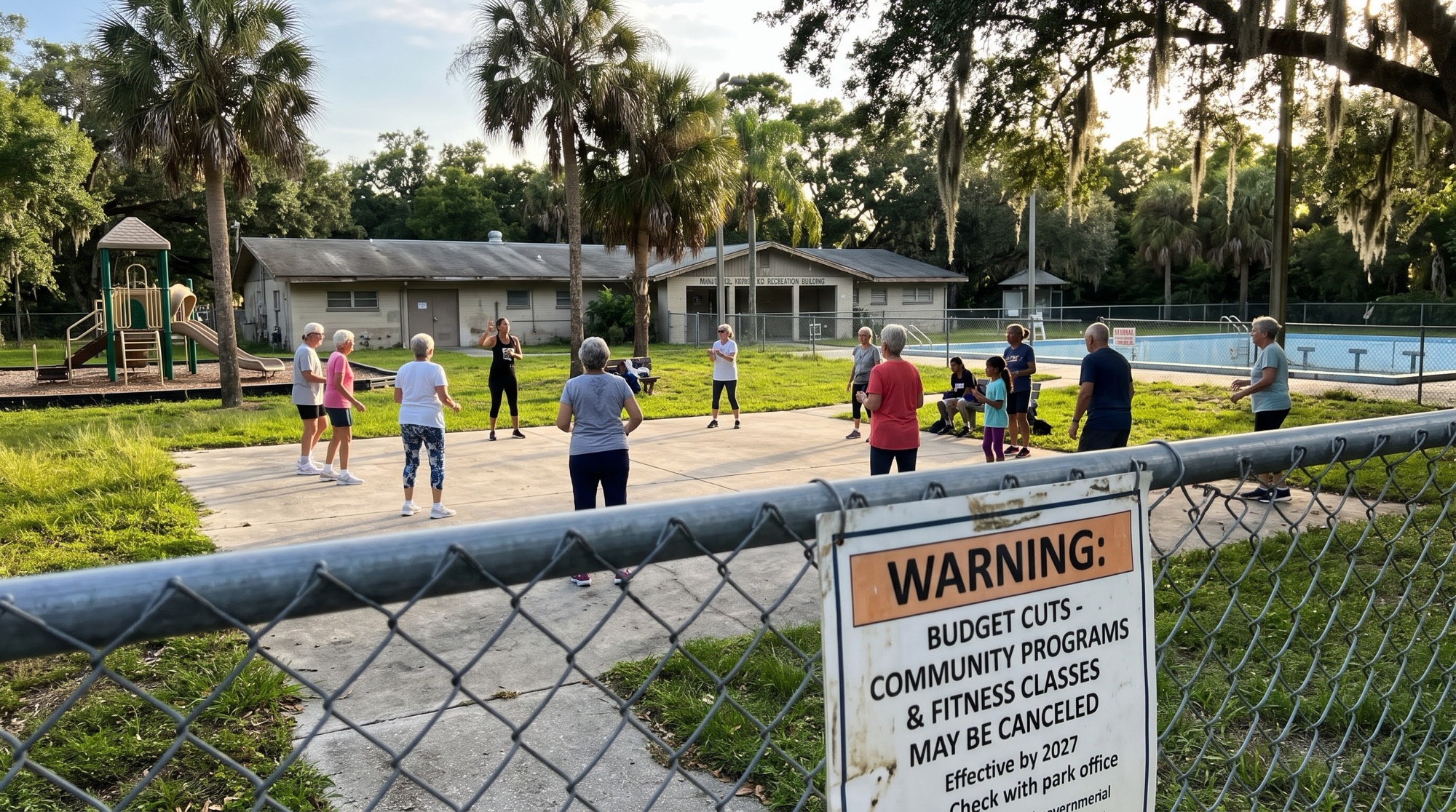
- Senior Physical Mobility and Social Connection: Subsidized senior fitness classes, silver sneakers sessions, water aerobics, and fall-prevention programs provide accessible exercise for older adults. Cutting these services removes affordable, low-impact activity options, accelerating physical decline and isolation among vulnerable seniors.
- Youth Fitness, After-School Care, and Nutrition: Low-cost after-school sports leagues, recreation camps, and structured active-play programs combat youth inactivity and support mental well-being. For working families, municipal departments often provide the only affordable alternative to sedentary screen time or unsupervised afternoons.
- Aquatics and Drowning Prevention: Public swimming pools and subsidized learn-to-swim lessons are direct public safety and wellness assets. When municipalities face budget crunches, aquatic facilities and seasonal lifeguard staffing are frequently placed on the chopping block, directly impacting water-safety instruction and physical therapy access.
- Preventative and Adaptive Community Wellness: Group wellness classes, diabetes prevention walking programs, and therapeutic recreation programs for residents with disabilities rely heavily on municipal subsidies. Eliminating these low-barrier programs eliminates community-level preventative health support for residents who cannot afford private gyms or therapy centers.
When local governments face severe tax shortfalls, public health and wellness programming is often viewed as discretionary. However, scaling back these programs shifts long-term preventative health costs directly onto families, community non-profits, and regional healthcare networks.
Protecting these essential services will require local recreation agencies, public health advocates, and residents to demonstrate the return on investment that recreational wellness provides to Florida’s communities. Ensuring that policymakers recognize public health programming not as a recreational luxury, but as an indispensable preventative health asset, will be critical as municipal budgets are redrawn.
Sources & Background Information:
- 10 Tampa Bay – Amendment 3 Pros & Cons Analysis
- ClickOrlando (WKMG) – Florida Amendment 3 Implementation & Spending Limits
- St. Pete Catalyst – Local Budget Impacts on Parks & Lifeguard Services
#Amendment3 #FLAmendment3 CommunityWellness #SeniorFitness #ActiveAging #YouthSports
Leave a Reply