
For decades, the standard path for young adults was straightforward: buy a fixer-upper home, spend weekends wandering hardware store aisles, and pour discretionary income into tile, paint, and yard work.

Today, that cultural script has flipped. As real estate costs keep homeownership out of reach for many young people, Millennials and Generation Z have shifted their spending from fixing up physical homes to investing in themselves.
According to CNN’s analysis on gym trends, high-end fitness facilities—ranging from Equinox to local boutique clubs—are effectively replacing home improvement projects and nightlife as the primary lifestyle expenditure for younger generations.
1. The Gym as the New “Third Place”
Sociologists long defined the “third place”—the space outside of home (first place) and work (second place) where people build community. Historically, bars, churches, and local clubs filled that role.
Now, fitness facilities are filling the void:
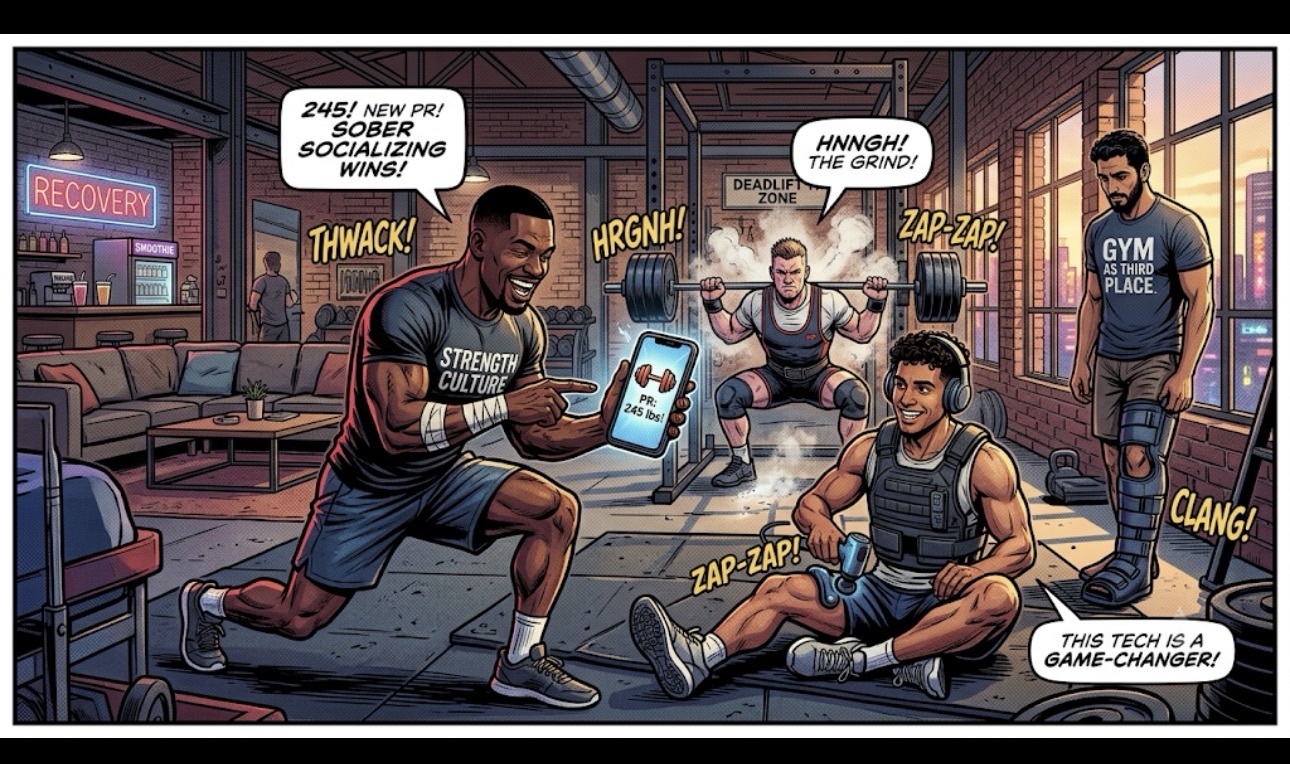
- Sober Socializing: Gen Z is drinking significantly less alcohol than previous generations. Instead of meeting at a pub or nightclub, young adults coordinate workouts, turning strength training into a social event.
- Community-Centric Layouts: Gyms are actively adapting by redesigning floor plans to include open turf zones, lounge areas, and social seating, shifting the environment from transactional to community-focused.
- Read more on ukactive’s report on gyms as youth social spaces.
2. Redefining Fitness: Strength Over Quick Fixes
For Millennials and Gen Z, the motivation behind going to the gym has changed dramatically compared to older demographics.
┌─────────────────────────────────────────────────────────────┐
│                 GENERATIONAL FITNESS SHIFT                  │
├──────────────────────────┬──────────────────────────────────┤
│ Older Generations        │ Younger Generations              │
│ (Gen X & Boomers)        │ (Millennials & Gen Z)            │
├──────────────────────────┼──────────────────────────────────┤
│ • Weight loss & cardio   │ • Strength & muscle building     │
│ • "Burning calories"     │ • Mental health & longevity      │
│ • Exercise as a chore    │ • Exercise as identity & habit   │
└──────────────────────────┴──────────────────────────────────┘
According to Life Fitness’s research on strength training trends, younger demographics—often dubbed “Generation Active”—make up roughly 80% of all gymgoers. They view strength training not just as physical conditioning, but as a core pillar of stress management, functional movement, and mental resilience.
3. The “Wolverine” Aesthetic & Social Media Influence
Platforms like Instagram, TikTok, and YouTube have turned fitness achievements into personal milestones. Sharing personal records (PRs), lifting progress, and recovery routines has normalized the barbell as a lifestyle symbol.
This shift has also driven interest in recovery science, body optimization, and strength culture. Rather than pouring thousands into kitchen remodels, younger consumers are willing to spend top dollar on gym memberships, wearable tech, and recovery modalities that yield personal, visible returns.
The Bottom Line: Gyms are no longer just places to burn calories on a treadmill. They have evolved into luxury social hubs, wellness centers, and community anchors for a generation prioritizing personal growth, long-term health, and shared experiences.
Leave a Reply