
The Wearable Revolution: How Health Trackers Are Helping Americans
Take Back Control
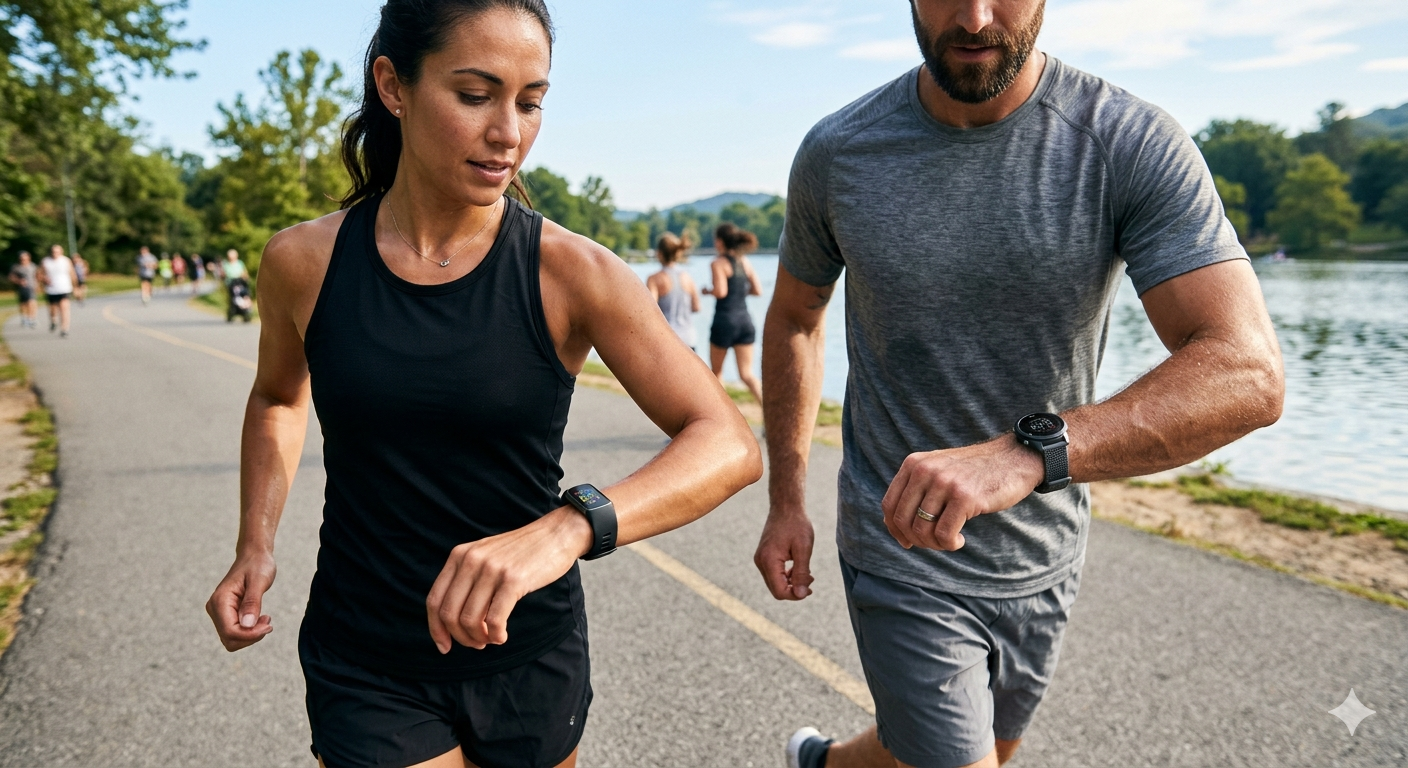
If you look around your local gym, grocery store, or office, chances
are you’ll see a lot of wrists sporting smartwatches, rings tracking
sleep, or devices monitoring glucose. The proliferation of wearable
health tech is undeniable—but are these devices actually making us
healthier, or are they just expensive accessories?

According to a massive new study by Abbott, the answer is clear:
wearables are sparking a quiet revolution in American health habits.
By surveying 4,000 U.S. adults, Abbott discovered a fascinating
contradiction in how we view our health, alongside a promising
solution that is bridging the gap across generations.
The Healthcare Paradox: High Anxiety, Low Confidence
The survey uncovered a deeply relatable, yet troubling truth about
modern Americans: we know what we should be doing, but we’re too
overwhelmed to do it.
Consider these striking statistics:
Nearly 75% of U.S. adults believe that major chronic illnesses (like
diabetes or cardiovascular disease) are entirely preventable.
Yet, only 1 in 4 feel highly confident in their ability to actually
look after their health and prevent these diseases.
This gap between knowledge and action is leaving many paralyzed. Half
of all Millennials admit they actively fear developing a chronic
condition. Meanwhile, the vast majority of Gen X (72%) and Baby
Boomers (73%) openly admit they feel they could be doing more to stay
healthy.
“Healthy living shouldn’t feel like a full-time job,” says Dr.
Dominique Williams, Medical Director at Abbott Nutrition. “The data
shows people are overwhelmed and unsure how to act.”
So, how do we break the paralysis? Enter the tracker.
Trackers Aren’t Just for Millennials and Gen Z Anymore
While it might surprise no one that younger cohorts love data—with 69%
of both Gen Z and Millennials wearing an Apple Watch, Fitbit, Garmin,
Oura Ring, or Whoop in the last year—older generations are catching up
fast.
The data reveals that the tech gap is closing:
53% of Gen X used a health tracker in the last 12 months.
52% of Baby Boomers embraced wearable health tech as well.
Whether it’s tracking daily steps, monitoring heart rates, or keeping
tabs on sleep quality, health tech has officially gone mainstream
across all age groups.
From Data to Action: The Wearable Impact
The most encouraging takeaway from Abbott’s research isn’t just that
people are buying these devices—it’s that the data is driving real,
lasting lifestyle changes.
When asked if using a tracker helped them sustain healthier habits,
the affirmative responses were overwhelmingly positive across the
board:
Gen Z: 93% reported lasting changes
Millennials: 89% reported lasting changes
Gen X: 76% reported lasting changes
Baby Boomers: 66% reported lasting changes
The Takeaway: Keep It Simple
When we face a mountain of health advice online, it’s easy to get
overwhelmed and give up. But the success of wearables proves that
small, measurable insights can give us the confidence we need to make
better daily choices.
As Dr. Williams points out, we don’t need to overcomplicate things.
“The good news is the basics still work,” she notes. “Simple,
consistent habits around movement, nutrition and preventive care can
make a difference.”
If you’ve been feeling paralyzed about your health goals, it might be
time to let technology give you a nudge. You don’t have to change your
entire life overnight—sometimes, just keeping an eye on your daily
steps or sleep patterns is exactly the spark you need to build
momentum.
________________________________
What about you? Has a wearable device changed your health habits for
the better? Let us know in the comments below!
Leave a Reply